what is the carbon content of mild steel What is price of low-carbon steel
Carbon steel and mild steel are two types of steel that are commonly used in various industries, but they have distinct differences in their composition and properties. Understanding the differences between these two materials is crucial for making informed decisions in choosing the right steel for different applications. In this post, we will explore the approximate percentage of carbon in low alloy steel and the difference between carbon steel and mild steel. Low alloy steel is a type of carbon steel that contains a small amount of alloying elements, such as manganese, chromium, nickel, or molybdenum, which enhance its properties. The percentage of carbon in low alloy steel may vary depending on the specific grade and application. It typically ranges from 0.05% to 0.30%, although higher carbon content can be found in some cases. To illustrate this, let’s take a look at a table depicting the approximate percentage of carbon in low alloy steel. As shown in the table below:
The approximate percentage of carbon in low alloy steel
 From the table, we can observe that low alloy steel generally contains a moderate amount of carbon, making it a versatile material that exhibits good strength, toughness, and weldability. The addition of alloying elements further enhances its mechanical properties, corrosion resistance, and heat resistance, making low alloy steel suitable for a wide range of applications. Moving on to carbon steel, it is a type of steel that primarily consists of carbon and iron. Unlike low alloy steel, carbon steel does not contain any significant amount of alloying elements. The carbon content in carbon steel can range from 0.02% to 2.1%, depending on the specific grade and application. Higher carbon content generally results in increased hardness and strength but may reduce ductility and weldability. To understand the difference between carbon steel and mild steel, let’s examine an infographic that highlights their contrasting characteristics: Difference Between Carbon Steel and Mild Steel
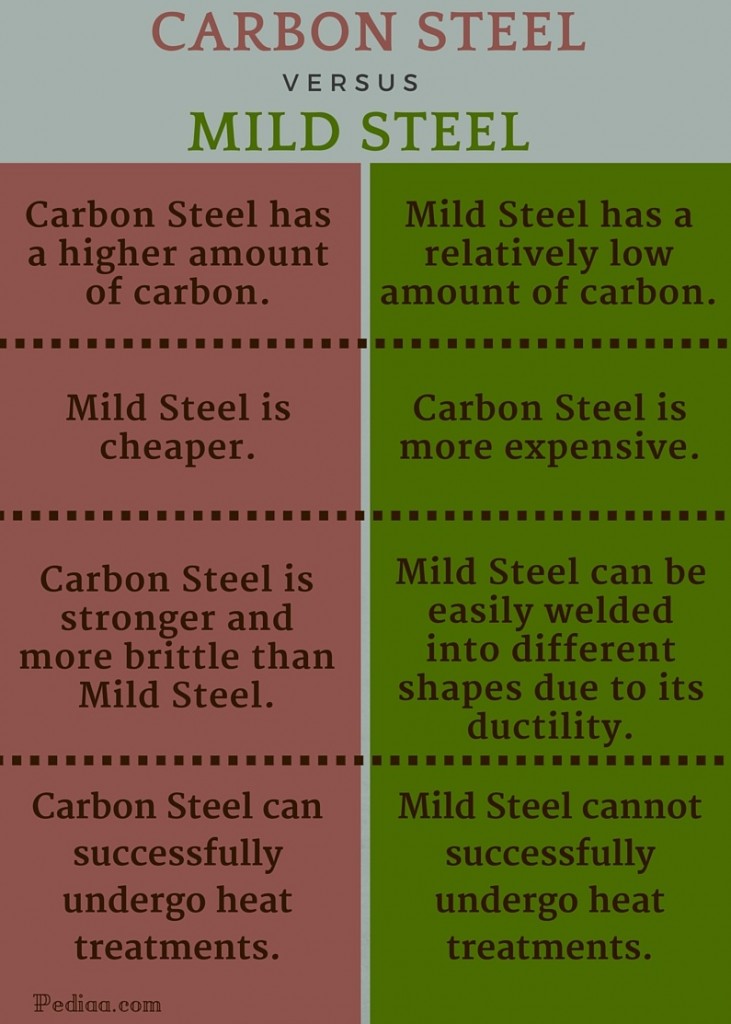 As depicted in the infographic, the key differences between carbon steel and mild steel lie in their carbon content, hardness, strength, ductility, and weldability. Mild steel, which typically contains a lower carbon content ranging from 0.05% to 0.25%, has relatively lower hardness and strength but higher ductility and weldability compared to carbon steel. On the other hand, carbon steel exhibits higher hardness and strength but may be less ductile and more challenging to weld. In conclusion, understanding the percentage of carbon in low alloy steel and the difference between carbon steel and mild steel is essential for selecting the appropriate type of steel for specific applications. Low alloy steel combines the benefits of carbon steel with the added advantages of alloying elements, making it a versatile choice for various industries. Carbon steel, on the other hand, offers higher hardness and strength but may lack ductility and weldability. By considering these factors, engineers and manufacturers can make informed decisions in choosing the optimal steel for their projects. If you are searching about Difference Between Carbon Steel and Mild Steel you’ve visit to the right place. We have 5 Images about Difference Between Carbon Steel and Mild Steel like What is Price of Low-carbon Steel - Definition | Material Properties, Mild Steel vs Carbon Steel vs Other Steel Types | Service Steel and also What is Price of Low-carbon Steel - Definition | Material Properties. Read more:
Difference Between Carbon Steel And Mild Steel
pediaa.comsteel mild carbon difference between heat courtesy
Our Guide To The Properties And Uses Of Mild Steel
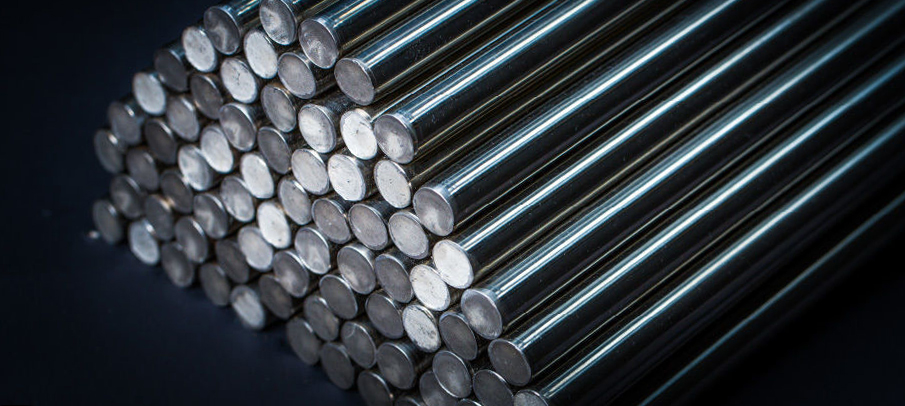 www.austenknapman.co.ukmild
Mild Steel Vs Carbon Steel Vs Other Steel Types | Service Steel
 www.servicesteel.orgThe Approximate Percentage Of Carbon In Low Alloy Steel | Download Table
 www.researchgate.netapproximate
What Is Price Of Low-carbon Steel - Definition | Material Properties
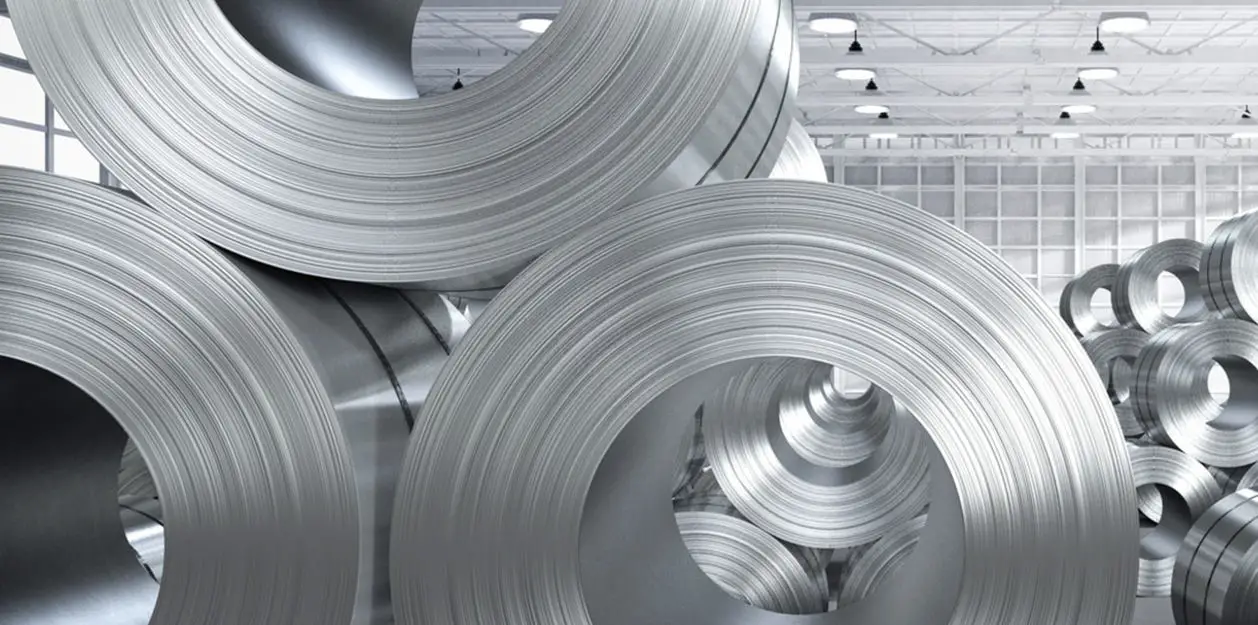 material-properties.orgsteels mild conductivity angle
Steels mild conductivity angle. Mild steel vs carbon steel vs other steel types. Our guide to the properties and uses of mild steel